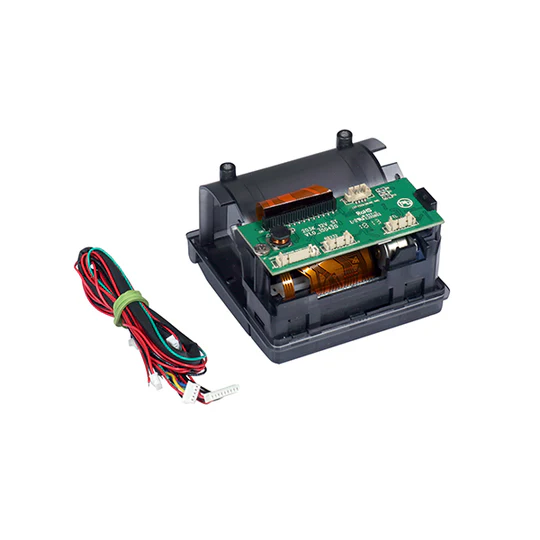
Description
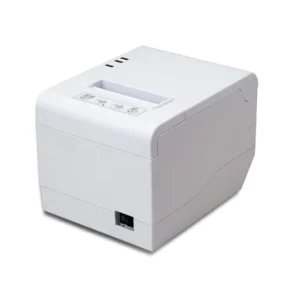
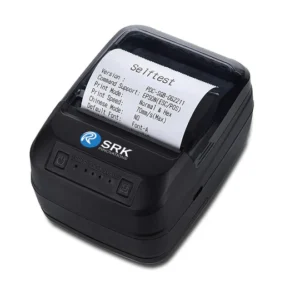
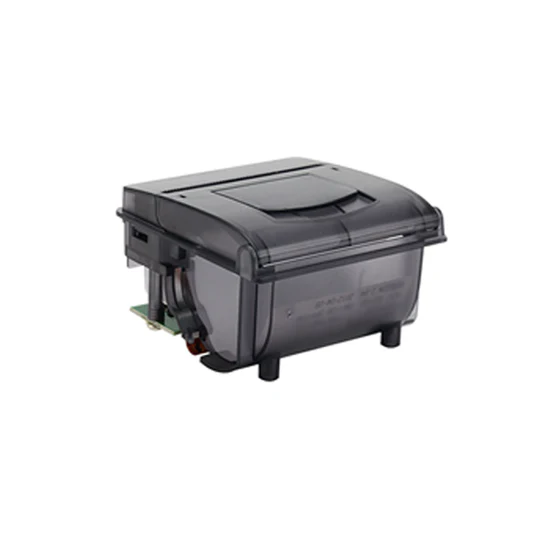
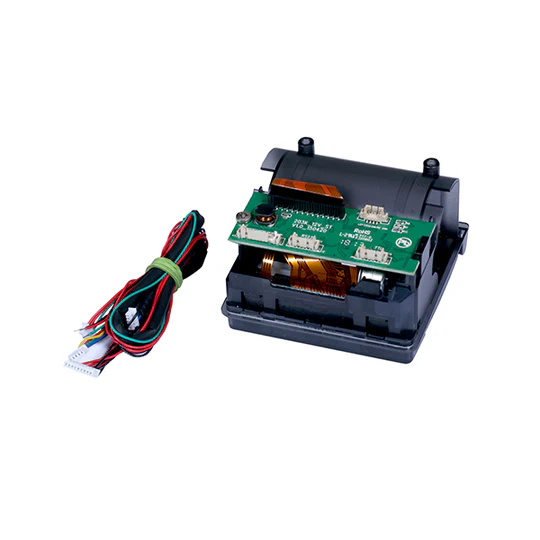
The RP203 Direct Thermal Receipt Printer is an easy-to-use, high-performance thermal printer designed for a wide range of applications. Offering direct UART interfaces (TTL and RS232), this compact and versatile printer can be seamlessly integrated into various microcontroller-based systems such as Arduino, ESP8266, Node MCU, and Raspberry Pi. The RP203 is a great choice for businesses and hobbyists who need reliable, high-speed printing in a small form factor.
Features :
-
- The RP203 uses direct thermal printing, eliminating the need for ink, toner, or ribbons, making it a cost-effective and maintenance-free solution.
- With a resolution of 203 DPI, the RP203 delivers crisp and clear text and graphics, ensuring excellent print quality for receipts, labels, and other types of printed media.
- The printer’s small size and compact design make it an ideal choice for space-constrained environments, while also ensuring portability for on-the-go applications.
- The printer operates on a 5 to 9-volt supply, with a typical current consumption of 1.5 Amperes and a peak current of 3 Amperes, making it energy-efficient and suitable for battery-powered setups.
- The head life of up to 50 km ensures long-term use, with the printer capable of handling high volumes of printing without frequent maintenance.
- The RP203 is designed to function in a wide range of operating conditions, from 5°C to 45°C and 20% to 90% RH (relative humidity), ensuring reliable performance in diverse environments.
- The photo-sensor paper detection feature ensures precise and efficient printing, minimizing the chance of errors and improving overall print accuracy.
- Equipped with thermistor-based head temperature detection, this feature protects the print head from overheating, enhancing the durability and longevity of the printer.
Advantages :
- With direct thermal technology, the RP203 eliminates the need for expensive ink or toner, making it a more affordable solution for long-term use.
- Its small footprint makes it ideal for environments with limited space or applications where portability is a priority.
- With a print speed of 90 mm/s, the RP203 helps businesses streamline their operations by ensuring fast and efficient printing.
- The direct UART interface makes it easy to integrate the printer with various microcontrollers and single-board computers, including popular platforms like Arduino and Raspberry Pi.
- The 50 km head life ensures that the printer can handle extensive usage, reducing the need for frequent replacements or repairs.
- The low current consumption (1.5A typical, 3A peak) ensures that the printer operates efficiently, making it a great choice for battery-powered applications or energy-conscious users.
Applications :
-
- Ideal for generating receipts and transaction records in retail environments, the RP203 helps businesses improve the speed and accuracy of customer transactions.
- Used for printing order receipts, kitchen tickets, and labels in restaurants, cafes, and food delivery services, ensuring smooth and efficient order management.
- Perfect for printing shipping labels, packing slips, and barcodes in warehouses, distribution centers, and courier services, improving logistics operations.
- Can be used for printing event tickets, boarding passes, or entry tickets at venues, concerts, and airports, providing a reliable solution for ticketing systems.
- Due to its compact size and easy integration with microcontrollers and single-board computers, the RP203 is an excellent choice for mobile apps and embedded systems requiring thermal printing.
- Suitable for printing patient receipts, prescriptions, and medication labels in medical and pharmacy settings, helping with accurate record-keeping.
The RP203 2-Inch Thermal Receipt Printer offers a reliable, versatile, and high-performance solution for businesses and hobbyists requiring high-quality, fast, and efficient thermal printing. With its wide range of applications and seamless integration with microcontroller platforms, the RP203 is the ideal choice for a variety of industries and use cases.